
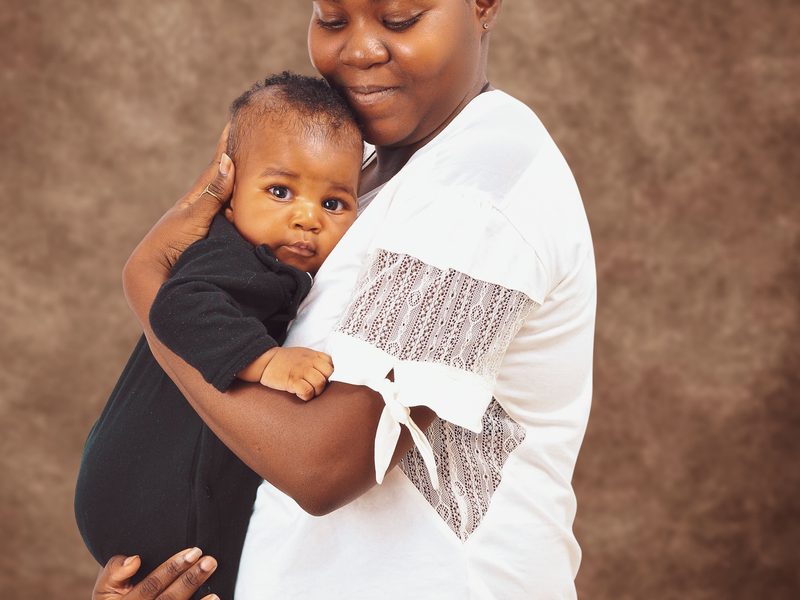
Postpartum Journey
The fourth trimester is a time of healing, adjustment, and bonding. AfyaMum supports you through the physical and emotional changes after childbirth.
The postpartum period, often called the "fourth trimester," is a time of significant physical, emotional, and social adjustment. While much attention is focused on pregnancy and childbirth, the postpartum period is equally important and transformative. At AfyaMum, we're here to support you through this journey of healing, learning, and bonding.
Understanding the Fourth Trimester
The fourth trimester refers to the first three months after childbirth. During this time, your body undergoes significant healing and recovery, while you also adapt to your new role as a mother and learn to care for your newborn. It's a period of profound transformation that deserves attention, care, and support.
Why It's Called the Fourth Trimester:
- Continuation of pregnancy: Your body continues to change and adapt, much like it did during pregnancy.
- Significant adjustment period: Just as each trimester of pregnancy brought new changes, the postpartum period brings its own set of transformations.
- Importance of care: Like the other trimesters, this period requires special attention to health, nutrition, and well-being.
- Baby's development: Your newborn is also going through a significant period of development and adjustment to life outside the womb.
Recognizing the fourth trimester as an important phase helps validate the experiences of new mothers and emphasizes the need for proper care and support during this time.
Physical Recovery After Childbirth
Immediate Postpartum Period (First 6 Weeks)
The first six weeks after childbirth are often the most challenging physically. Your body is healing from the significant event of childbirth, and you're also adjusting to hormonal changes and the demands of caring for a newborn.
Common Physical Experiences:
- Vaginal bleeding (lochia): Heavy bleeding that gradually lightens from red to pink to white over several weeks. Use maxi pads (not tampons) for the first 6 weeks.
- Uterine contractions: Your uterus will contract to return to its pre-pregnancy size. You may feel these contractions, especially during breastfeeding.
- Perineal soreness: If you had a vaginal delivery, especially with an episiotomy or tearing, you may experience soreness and discomfort in the perineal area.
- C-section recovery: If you had a cesarean section, you'll have abdominal pain and will need to take special care of your incision.
- Breast changes: Your breasts may become engorged (full and hard) as your milk comes in, typically between days 3-5.
- Hormonal shifts: Sweating, chills, and night sweats are common as your hormones adjust.
- First bowel movement: Many women fear their first postpartum bowel movement, but it's typically not as painful as anticipated.
Self-Care Tips for Early Recovery:
- Rest as much as possible, especially in the first few weeks
- Accept help from family and friends with household tasks and cooking
- Stay hydrated, especially if you're breastfeeding
- Use ice packs or warm sitz baths for perineal discomfort
- Take stool softeners if needed to prevent constipation
- Use peri bottles for gentle cleansing after using the bathroom
- Wear comfortable, loose clothing
- Follow your healthcare provider's instructions for incision care (if you had a C-section)
Longer-Term Physical Recovery (6 Weeks to 1 Year)
While the most significant physical recovery happens in the first 6 weeks, your body continues to heal and change for many months after childbirth.
Common Experiences:
- Hair loss: Temporary hair loss is common due to hormonal changes. Your hair will typically return to normal within 6-12 months.
- Skin changes: Stretch marks may fade but won't disappear completely. The linea nigra (dark line on your abdomen) will gradually fade.
- Weight loss: Most women lose about 10-13 pounds immediately after delivery. The rest comes off gradually through diet and exercise.
- Pelvic floor changes: You may experience urinary incontinence, hemorrhoids, or pelvic organ prolapse. Pelvic floor exercises can help.
- Breast changes: Your breasts may be larger, smaller, or differently shaped after pregnancy and breastfeeding.
- Menstrual cycle return: Your period may return within a few weeks to several months, depending on whether you're breastfeeding.
Gradual Return to Activity:
- First 6 weeks: Focus on rest and recovery. Avoid heavy lifting (anything heavier than your baby), strenuous exercise, and vaginal intercourse.
- 6-12 weeks: Gradually resume light activities like walking. Listen to your body and don't push yourself too hard.
- 12+ weeks: Most women can gradually return to their pre-pregnancy exercise routines, though you may need to modify some activities.
Emotional Recovery and Adjustment
The Emotional Journey of Motherhood
The postpartum period brings a wide range of emotions. The hormonal changes, sleep deprivation, new responsibilities, and life adjustments can all impact your emotional state. It's normal to experience a mix of emotions during this time.
Common Emotional Experiences:
- Joy and love: Feeling overwhelming love and connection with your baby.
- Overwhelm: Feeling like you're in over your head or struggling to keep up with the demands of newborn care.
- Loneliness: Feeling isolated or disconnected from others, especially if you're spending a lot of time alone with the baby.
- Identity changes: Struggling with the shift from your previous identity to your new role as a mother.
- Grief: Mourning the loss of your pre-baby life, your freedom, or your old sense of self.
- Guilt: Feeling like you're not doing enough, not doing things "right," or not feeling the way you "should" feel.
- Resentment: Feeling resentful toward your baby, your partner, or others for the changes in your life.
- Baby blues: Mood swings, crying spells, and feelings of sadness that typically resolve within the first two weeks.
All of these feelings are normal and experienced by many new mothers. It's okay to have complex emotions about motherhood. The important thing is to acknowledge these feelings and seek support when you need it.
When to Seek Help
While many emotional experiences are normal, it's important to seek help if you're experiencing symptoms of postpartum depression, anxiety, or other mental health concerns:
Seek help if you experience:
- Persistent feelings of sadness, hopelessness, or emptiness that last longer than two weeks
- Loss of interest in activities you used to enjoy
- Difficulty bonding with your baby
- Feelings of worthlessness, hopelessness, or guilt
- Thoughts of death, suicide, or harming yourself or your baby
- Excessive worry, panic attacks, or constant feelings of anxiety
- Intrusive, repetitive thoughts or compulsive behaviors
- Difficulty functioning in your daily life
Postpartum depression and anxiety are serious but treatable conditions. If you're experiencing any of these symptoms, reach out to your healthcare provider, a mental health professional, or a postpartum support organization. You don't have to go through this alone.
Bonding with Your Baby
The Importance of Bonding
Bonding is the process of developing a close, emotional connection with your baby. It's a crucial part of your baby's emotional development and can also enhance your experience of motherhood. Bonding doesn't always happen instantly - for many women, it develops gradually over the first few weeks or months.
Ways to Bond with Your Baby:
- Skin-to-skin contact: Holding your baby against your bare chest helps regulate their temperature, breathing, and heart rate, and promotes bonding.
- Breastfeeding: If you choose to breastfeed, this can be a wonderful bonding experience. However, bonding can happen just as strongly with bottle-feeding.
- Talking and singing: Talk to your baby often, even if they can't understand the words. Sing lullabies or play soft music.
- Eye contact: Make eye contact with your baby during feedings and other interactions.
- Touch: Gently stroke your baby's skin, hold their hands, or massage them.
- Responding to cues: Learn to recognize and respond to your baby's hunger, tiredness, and discomfort cues.
- Babywearing: Using a baby carrier or wrap can help keep your baby close and promote bonding.
- Reading: Read to your baby, even from an early age. They love the sound of your voice.
Remember, bonding is a process that happens differently for every mother and baby. Don't feel guilty if you don't feel an instant connection. Keep spending time with your baby, and the bond will develop over time.
Bonding with Your Partner
The postpartum period is also a time for you and your partner to bond as a family. While much of the focus is on the mother-baby relationship, it's also important for your partner to develop their own bond with the baby.
Ways for Your Partner to Bond with the Baby:
- Skin-to-skin contact: Partners can also do skin-to-skin contact with the baby, which can be especially helpful if the mother is resting or recovering.
- Feeding: If you're bottle-feeding or pumping, your partner can help with feedings.
- Bathing and diapering: Partners can take on these tasks to spend quality time with the baby.
- Soothing: Partners can help soothe the baby when they're fussy or crying.
- Playing: As the baby gets older, partners can engage in playtime and other interactions.
- Bedtime routines: Partners can help establish bedtime routines, such as reading or singing to the baby.
Encouraging your partner to bond with the baby not only benefits them but also gives you much-needed breaks and support. Building a strong family bond is an important part of the postpartum journey.
Related Journey Topics
Pregnancy
Navigate your pregnancy journey with confidence and prepare for the arrival of your little one.
Antenatal Care
Access comprehensive antenatal guidance and understand what to expect during check-ups and tests.
Baby & Family
Grow together as a family with resources for baby care, development milestones, and family health.
Postpartum Health Education
Understand the physical and emotional changes after childbirth and how to care for yourself.
Medical Disclaimer: This information is for educational purposes only and is not a substitute for professional medical advice. Always consult with your healthcare provider for personalized guidance on your postpartum recovery and care.
For medical emergencies during the postpartum period, call your local emergency services or go to the nearest emergency room immediately.