
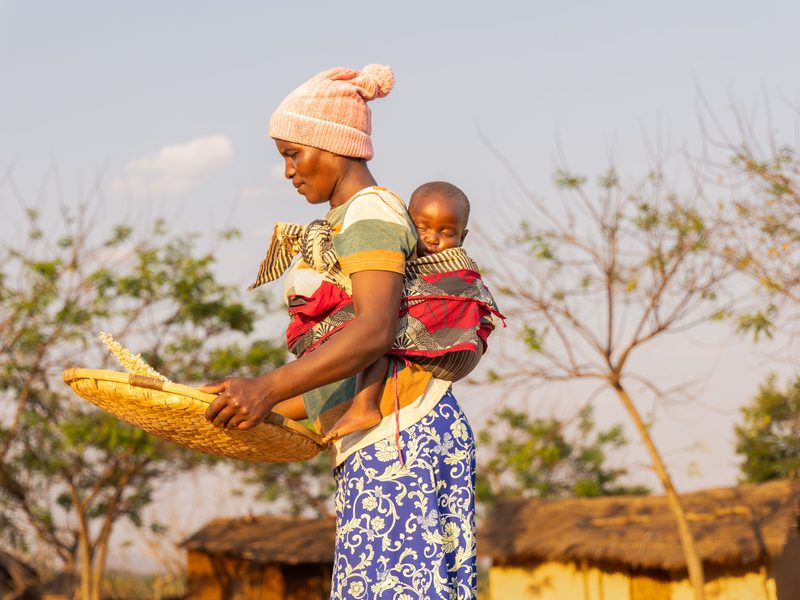
Pregnancy Health
Comprehensive guides on pregnancy stages, symptoms to watch for, and how to maintain a healthy pregnancy.
Understanding Pregnancy Stages
Pregnancy is typically divided into three trimesters, each lasting approximately 12-13 weeks. Understanding these stages helps you know what to expect and how to care for yourself and your baby.
First Trimester (Weeks 1-12)
The first trimester is a period of rapid development for your baby and significant changes for your body.
What to Expect:
- Early pregnancy symptoms (nausea, fatigue, breast tenderness)
- Confirmation of pregnancy through tests
- First prenatal visit and initial blood tests
- Rapid development of baby's major organs and systems
Self-Care Tips:
- Take prenatal vitamins with folic acid
- Eat small, frequent meals to manage nausea
- Stay hydrated
- Get plenty of rest
- Avoid alcohol, smoking, and certain foods
When to Contact Your Healthcare Provider:
- Severe nausea and vomiting that prevents keeping food down
- Vaginal bleeding or spotting
- Severe abdominal pain
- Signs of infection (fever, burning during urination)
Second Trimester (Weeks 13-27)
Often called the "honeymoon phase" of pregnancy, the second trimester typically brings relief from early pregnancy symptoms and more energy.
What to Expect:
- Growing belly and visible pregnancy
- Feeling baby's first movements (quickening)
- Regular prenatal visits and ultrasounds
- Continued growth and development of the baby
- Possible skin changes (stretch marks, linea nigra)
Self-Care Tips:
- Continue with prenatal vitamins
- Eat a balanced diet with plenty of fruits, vegetables, and protein
- Exercise regularly (with your provider's approval)
- Practice good posture to reduce back pain
- Use sunscreen to prevent skin discoloration
Third Trimester (Weeks 28-40+)
The final trimester is a period of preparation for both you and your baby as you approach childbirth.
What to Expect:
- More frequent prenatal visits
- Increased discomfort as baby grows
- Braxton Hicks contractions (practice contractions)
- Baby's position changing in preparation for birth
- Possible nesting instinct
Self-Care Tips:
- Rest frequently and elevate your feet
- Monitor baby's movements and report any changes
- Prepare for labor and delivery (attend childbirth classes)
- Pack your hospital bag
- Stay active with gentle exercises like walking or prenatal yoga
Signs of Labor:
- Regular contractions that increase in frequency and intensity
- Water breaking (rupture of membranes)
- Blood-tinged mucus discharge (bloody show)
- Lower back pain that comes and goes
Nutrition During Pregnancy
Proper nutrition is crucial for both your health and your baby's development. Aim for a balanced diet that includes:
- Protein: Essential for your baby's growth and development
- Calcium: Important for building strong bones and teeth
- Iron: Needed to prevent anemia and support increased blood volume
- Folate/Folic Acid: Crucial for preventing neural tube defects
- Fiber: Helps prevent constipation, a common pregnancy complaint
- Healthy fats: Important for brain development
Most women need an additional 300-500 calories per day during pregnancy, but this can vary based on your pre-pregnancy weight, activity level, and individual needs. Always discuss your specific nutritional needs with your healthcare provider.
Common Discomforts and When to Seek Help
Normal Discomforts:
- Morning sickness (usually resolves by the second trimester)
- Fatigue
- Frequent urination
- Back pain
- Mild swelling in hands and feet
- Heartburn and indigestion
- Mood swings
Seek Immediate Medical Attention For:
- Severe abdominal pain or cramping
- Vaginal bleeding or fluid leakage
- Severe headache that doesn't go away
- Vision changes, including blurred vision or seeing spots
- Sudden or severe swelling in face, hands, or feet
- Decreased fetal movement (after 28 weeks)
- Signs of preterm labor (regular contractions before 37 weeks)
- Severe vomiting that prevents keeping any food or liquid down
- Fever over 100.4°F (38°C)
- Difficulty breathing or chest pain
Related Education Topics
Nutrition
Learn about proper nutrition before, during, and after pregnancy for both mother and baby.
Postpartum Health
Understand the physical and emotional changes after childbirth and how to care for yourself.
Mental Wellbeing
Resources and strategies for maintaining emotional health during pregnancy and beyond.
Warning Signs
Important information about warning signs and when to seek immediate medical attention.
Medical Disclaimer: This information is for educational purposes only and is not a substitute for professional medical advice. Always consult with your healthcare provider for personalized medical care, diagnosis, and treatment. If you experience any concerning symptoms or have questions about your pregnancy, contact your healthcare provider immediately.
For medical emergencies, call your local emergency services or go to the nearest emergency room.